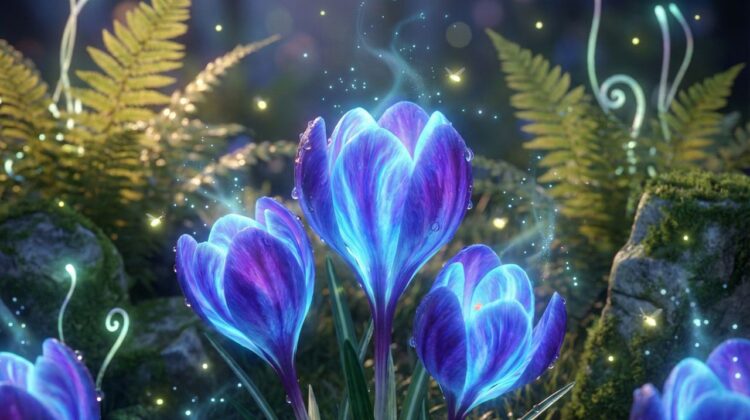
Every now and then, a flower captures the world’s imagination not because of a garden show, but because of a movie. If you are here, you are probably asking the question that thousands of curious minds have asked Google: “Is the Nighthowler flower real?”
In the movie Zootopia, these toxic purple bulbs—scientifically named Midnicampum holicithias—turn civilized mammals into savage beasts. It’s a thrilling concept! But as a Garden Stylist, I often get asked if this dangerous beauty actually exists in our world.
The answer is a mix of “No” and “Yes.” Let’s separate the Hollywood magic from the botanical reality.
In this article, we'll cover
The Reality Check: Fact vs. Fiction
First, let’s clear the air. No, the “Nighthowler” (Midnicampum holicithias) does not exist in real botany. You cannot buy seeds for it at your local nursery, and it won’t turn your pets savage. The name is a clever fictional invention by the filmmakers.
However, the inspiration for the flower is very real. The creators of Zootopia likely drew inspiration from real-world plants that are both beautiful and dangerous.
The Real-Life “Nighthowlers”
If you want to recreate the look (or understand the danger) of the Nighthowler, here are the real plants that likely inspired the legend:
The Autumn Crocus (Colchicum autumnale)
Visually, the Nighthowler in the movie looks strikingly similar to a bulbous Crocus. Just like in the film, the Autumn Crocus is toxic if ingested, though it certainly won’t cause “savagery”—just a very bad stomach ache (or worse). It shares that stunning, innocent-looking purple hue.
Wolfsbane (Aconitum)
The name “Nighthowler” is a clear nod to wolves. In the botanical world, we have Wolfsbane (also known as Monkshood). It is a gorgeous tall purple flower that is highly poisonous. In folklore, it was used to ward off werewolves—a perfect thematic link to the movie’s plot!
Symbolism of the “Forbidden Flower”
Even though it is fictional, the Nighthowler carries a powerful symbolic “aura” that we can apply to our lives:
- Transformation: It represents how quickly things can change, reminding us that nature has a wild side beneath its civilized surface.
- Hidden Danger: It teaches us that beauty can be deceiving. As gardeners, we must always respect the plants we grow, knowing which ones heal and which ones harm.
Create a “Mystical” Garden Look
You don’t need toxic plants to capture the magical, glowing aesthetic of the Nighthowler. As Shiny Aura, I love creating themed garden corners. Here is how to get that Zootopia vibe safely:
- The Palette: Focus on Electric Blues and Deep Purples.
- The Plants:
- Persian Shield: For that iridescent, glowing purple foliage.
- Allium Giants: These large purple spheres look like something out of a fantasy world.
- Blue Hydrangeas: To add volume and that cool, twilight color.
- The Decor: Add Solar Garden Lights hidden among the leaves. At night, they will illuminate your purple plants, giving them that bioluminescent “movie magic” glow without any of the danger.
Final Thoughts
While you can’t plant Midnicampum holicithias, you can definitely cultivate a garden that sparks wonder and imagination. Nature is full of real plants that are just as fascinating as fiction.
So, tell me—are you brave enough to plant a “Wolfsbane” corner, or will you stick to the safe beauty of Hydrangeas?