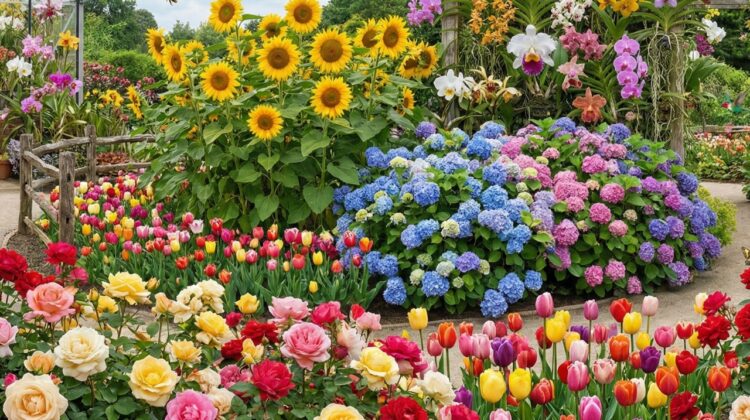
Welcome to the ultimate botanical celebration. Whether you are a seasoned gardener looking to expand your collection, a romantic searching for the perfect bouquet, or a curious soul wondering about the name of that purple bloom you saw on a walk, you have come to the right place.
At Morflora, we believe that flowers are more than just plants; they are the paint on nature’s canvas. They carry history, emotion, and profound symbolism. A garden without variety is like a library with only one book. That is why I, Shiny Aura, have compiled this massive, comprehensive guide to 100 Types of Flowers.
We have categorized them to help you find exactly what you need—from the classic favorites found in every florist shop to the rare exotic gems of the tropics. Get your gardening gloves ready; we are about to take a deep dive into the colorful world of blooms.
In this article, we'll cover
- The All-Time Classics
- The Garden Staples (Perennials & Shrubs)
- 11. Peony (Paeonia)
- 12. Azalea (Rhododendron)
- 13. Begonia
- 14. Chrysanthemum (Chrysanthemum morifolium)
- 15. Dahlia
- 16. Geranium (Pelargonium)
- 17. Iris
- 18. Lavender (Lavandula)
- 19. Lilac (Syringa)
- 20. Marigold (Tagetes)
- 21. Pansy (Viola tricolor)
- 22. Petunia
- 23. Poppy (Papaver)
- 24. Ranunculus
- 25. Snapdragon (Antirrhinum)
- The Exotic & Tropical Showstoppers
- Wildflowers, Whimsy & Unique Shapes
- 41. Aster (Asteraceae)
- 42. Black-Eyed Susan (Rudbeckia)
- 43. Bleeding Heart (Lamprocapnos spectabilis)
- 44. Coneflower (Echinacea)
- 45. Cornflower (Centaurea cyanus)
- 46. Cosmos (Cosmos bipinnatus)
- 47. Delphinium (Larkspur)
- 48. Foxglove (Digitalis)
- 49. Hellebore (Helleborus)
- 50. Hollyhock (Alcea)
- 51. Impatiens
- 52. Larkspur (Consolida)
- 53. Lisianthus (Eustoma)
- 54. Morning Glory (Ipomoea)
- 55. Nasturtium (Tropaeolum)
- The Hidden Gems (Bulbs & Fragrant Blooms)
- 56. Allium (Ornamental Onion)
- 57. Anemone (Anemone coronaria)
- 58. Bluebell (Hyacinthoides non-scripta)
- 59. Calla Lily (Zantedeschia)
- 60. Crocus
- 61. Grape Hyacinth (Muscari)
- 62. Magnolia
- 63. Moonflower (Ipomoea alba)
- 64. Nicotiana (Flowering Tobacco)
- 65. Snowdrop (Galanthus)
- 66. Stock (Matthiola incana)
- 67. Sweet Alyssum (Lobularia maritima)
- 68. Sweet Pea (Lathyrus odoratus)
- 69. Tuberose (Polianthes tuberosa)
- 70. Wisteria
- Edible, Herbal & The Perfect Fillers
- 71. Baby’s Breath (Gypsophila)
- 72. Borage (Borago officinalis)
- 73. Calendula (Pot Marigold)
- 74. Chamomile (Matricaria)
- 75. Chive Blossom (Allium schoenoprasum)
- 76. Dandelion (Taraxacum)
- 77. Goldenrod (Solidago)
- 78. Heather (Calluna vulgaris)
- 79. Hyssop (Hyssopus officinalis)
- 80. Lady’s Mantle (Alchemilla mollis)
- 81. Queen Anne’s Lace (Daucus carota)
- 82. Saffron Crocus (Crocus sativus)
- 83. Sage (Salvia)
- 84. Statice (Limonium)
- 85. Yarrow (Achillea millefolium)
- Rare, Unique & The Grand Finale
- 86. Passion Flower (Passiflora)
- 87. Protea
- 88. Scabiosa (Pincushion Flower)
- 89. Sea Holly (Eryngium)
- 90. Red Spider Lily (Lycoris radiata)
- 91. Snow-in-Summer (Cerastium tomentosum)
- 92. Sweet William (Dianthus barbatus)
- 93. Trillium
- 94. Verbena
- 95. Veronica (Speedwell)
- 96. Violet (Viola)
- 97. Water Lily (Nymphaea)
- 98. Waxflower (Chamelaucium)
- 99. Winter Aconite (Eranthis hyemalis)
- 100. Zinnia
The All-Time Classics
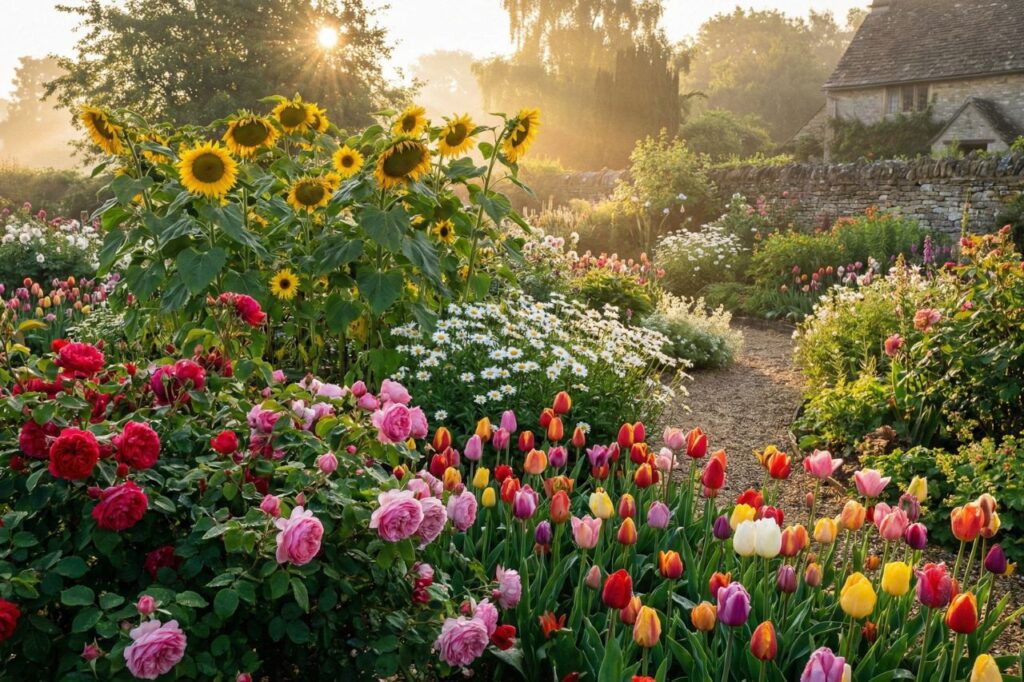
These are the royalty of the flower world. You know their names, you love their scents, and they are the staples of gardens around the globe. But do you truly know their secrets?
1. Rose (Rosa)
No list of flowers could start with anything else. The Rose is the universal language of love, poetry, and beauty. With over 300 species and thousands of cultivars, roses range from the wild, climbing briars to the elegant, high-centered tea roses found in luxury bouquets. While we famously associate them with romance, their symbolism shifts dramatically with color: Red for passion, White for purity, and Yellow for friendship.
Gardening Tip: Roses are hungry plants. They require at least 6 hours of full sun and regular feeding with a balanced fertilizer. Watch out for black spot fungus on the leaves; keeping good airflow around the bush is key to keeping this royal flower healthy.
2. Tulip (Tulipa)
The flower that once crashed an entire economy (remember “Tulip Mania” in the 1600s?), the Tulip remains a symbol of perfect love and elegance. These spring-blooming bulbs are famous for their cup shape and intensely saturated colors. Originally from Central Asia and Turkey, they are now synonymous with Dutch landscapes. They come in an endless variety of shapes, including the fringed “Parrot” tulips and the double-petaled “Peony” tulips.
Gardening Tip: Tulips require a period of cold dormancy to bloom. Plant the bulbs in the autumn before the ground freezes. Unlike daffodils, tulips often lose vigor after a few years, so many gardeners treat them as annuals, planting fresh bulbs every fall for a spectacular show.
3. Sunflower (Helianthus annuus)
The Sunflower is happiness incarnate. Standing tall—sometimes up to 10 feet or more—these giants are famous for heliotropism, the behavior of turning their heads to follow the sun across the sky. Their massive yellow petals surround a center packed with thousands of tiny individual florets (which eventually turn into delicious seeds). They symbolize adoration, loyalty, and longevity.
Gardening Tip: Sunflowers are incredibly easy to grow from seed, making them perfect for children’s gardens. They are heavy feeders and drinkers, so plant them in rich soil and water deeply. Once the flower head droops and the back turns yellow, it’s time to harvest the seeds for roasting or bird feed.
4. Daisy (Bellis perennis)
Simple, cheerful, and innocent. The classic Daisy features white petals radiating from a bright yellow disk, resembling a miniature sun. In fact, the name “Daisy” comes from the Old English “Day’s Eye,” because the petals close at night and open at dawn. They symbolize purity, innocence, and new beginnings. While the common Shasta Daisy is a garden favorite, the family includes Gerbera Daisies and Oxeye Daisies.
Gardening Tip: Daisies are tough perennials. They thrive in full sun and aren’t fussy about soil conditions. To keep them blooming all summer, be sure to “deadhead” (cut off) the faded flowers. Every few years, dig up the clumps and divide them to keep the plants vigorous.
5. Lily (Lilium)
True Lilies are the drama queens of the garden. With their large, trumpet-shaped blooms and intoxicating fragrance (especially the Oriental varieties like ‘Stargazer’), they command attention. They symbolize purity and refined beauty. It is important to distinguish “true” lilies (growing from bulbs with scaly layers) from Daylilies or Peace Lilies, which are botanically different.
Gardening Tip: Lilies love “cool feet and hot heads.” This means you should plant them where the tops get full sun, but surround the base with other low-growing plants or mulch to keep the bulb cool. Warning: All parts of the lily are extremely toxic to cats; even the pollen can cause kidney failure.
6. Orchid (Orchidaceae)
With over 28,000 known species, the Orchid family is one of the largest and most diverse on Earth. Known for their exotic symmetry and incredible lasting power, orchids symbolize luxury, strength, and rare beauty. The most common variety, the Moth Orchid (Phalaenopsis), is a household staple. Unlike regular plants that grow in soil, most orchids are epiphytes, meaning they grow on trees in the wild, absorbing moisture from the air.
Gardening Tip: Never plant an orchid in regular potting soil; it will suffocate the roots. Use a specialized bark mix. They crave high humidity and bright, indirect light. If the leaves are dark green, they need more light; if they are reddish-green, they are getting too much.
7. Carnation (Dianthus caryophyllus)
Once dismissed as a “cheap filler flower,” the Carnation is making a stylish comeback. Botanically known as Dianthus (meaning “Flower of Gods”), these ruffled blooms have a distinct, spicy clove-like fragrance. They symbolize fascination and distinction. They are incredibly long-lasting in a vase, often surviving up to two weeks or more.
Gardening Tip: Carnations love alkaline soil (non-acidic). If your soil is acidic, add a bit of lime. They prefer cool temperatures and don’t do well in extreme tropical heat. Pinching off the top of the young stems will encourage the plant to branch out and produce more flowers rather than just one tall stem.
8. Daffodil (Narcissus)
The Daffodil is the trumpet of spring. When you see their bright yellow heads bobbing in the breeze, you know winter is finally over. Symbolizing rebirth and new beginnings, they are one of the most reliable perennials you can plant. Unlike tulips, deer and rodents hate the taste of daffodil bulbs, making them “pest-proof.”
Gardening Tip: Plant drifts of daffodils under deciduous trees. By the time the trees leaf out and create shade, the daffodils will have already finished their show. After they bloom, do not cut the green leaves until they turn yellow and die back naturally; the leaves are busy recharging the bulb for next year’s flowers.
9. Hyacinth (Hyacinthus)
If you want scent, you want Hyacinths. A single spike of these dense, bell-shaped flowers can perfume an entire room. Available in rich purples, pinks, blues, and whites, they symbolize playfulness and constancy. In Greek mythology, the flower was created from the blood of Hyacinthus, a youth loved by the god Apollo, giving it a tragic but beautiful origin story.
Gardening Tip: Wear gloves when handling Hyacinth bulbs! They contain oxalic acid, which can cause itchy skin irritation. Like other spring bulbs, they need a cold winter to reset. For indoor blooms, you can “force” them in a glass jar with water, keeping the water level just below the bulb base.
10. Hydrangea (Hydrangea macrophylla)
The Hydrangea is the ultimate shrub for volume. Its massive, pom-pom flower heads can be blue, pink, purple, or white. The most fascinating trait of the Bigleaf Hydrangea is its chameleon ability: the flower color changes based on the soil pH. Acidic soil produces blue flowers, while alkaline soil produces pink ones. They symbolize gratitude, grace, and abundance.
Gardening Tip: The name comes from “Hydro” (water), and that is a big hint. These plants wilt instantly if they get too dry. They thrive in morning sun and afternoon shade. If you want to change their color to blue, add aluminum sulfate (coffee grounds help too!) to the soil.
The Garden Staples (Perennials & Shrubs)
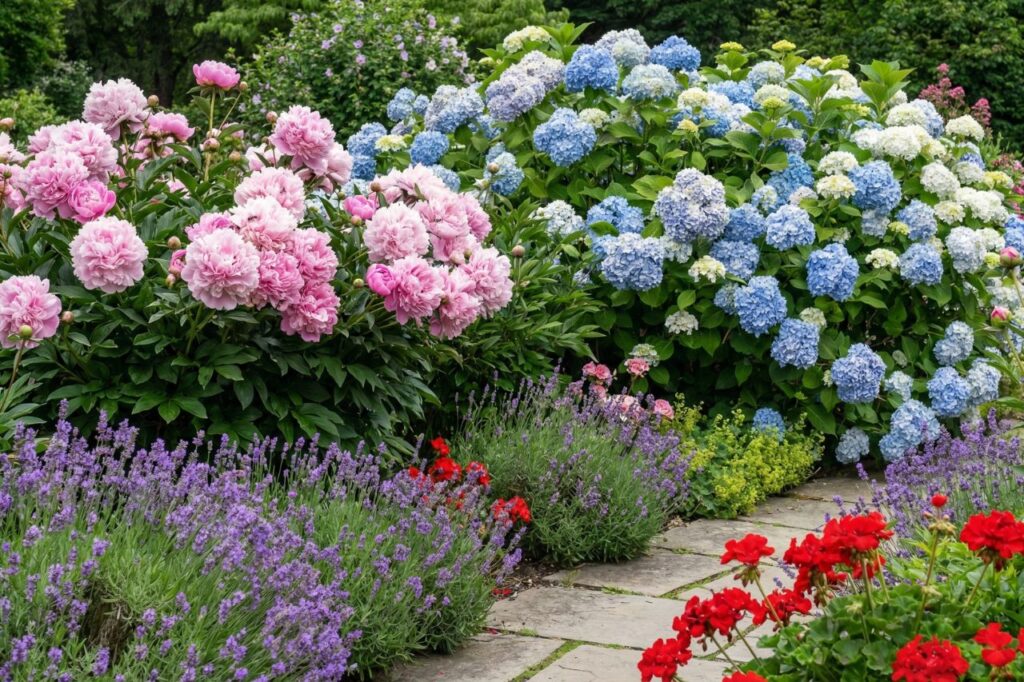
These are the reliable souls of the garden. Once established, these flowers return year after year or provide the structural backbone to your landscape design. They offer a mix of nostalgic scents and stunning visual textures.
11. Peony (Paeonia)
If the Rose is the queen, the Peony is the king. Famous for their massive, ruffled blooms that can grow as large as dinner plates, Peonies are the definition of lushness. They symbolize wealth, honor, and romance, especially in Chinese culture. They are incredibly long-lived plants; some Peony bushes have been known to outlive their owners, blooming for over 100 years in the same spot.
Gardening Tip: Patience is key. A newly planted Peony may take 3 years to bloom heavily. They resent being moved, so pick a sunny spot with well-drained soil and leave them there forever. Do not bury the “eyes” (buds) too deep, or they will refuse to flower. Also, don’t worry about the ants crawling on the buds; they are just eating the nectar and helping the flower open!
12. Azalea (Rhododendron)
A staple of the Southern spring, the Azalea is a flowering shrub that covers itself in so many blooms you can barely see the leaves. Available in vibrant shades of pink, red, white, and purple, they symbolize femininity and softness. In the Victorian language of flowers, they meant “Take care of yourself for me.” They are technically part of the Rhododendron family but generally have smaller leaves.
Gardening Tip: Azaleas are acid-lovers. If your soil is alkaline, their leaves will turn yellow (chlorosis). Use a fertilizer designed for acid-loving plants. They have shallow root systems, so mulch heavily to keep moisture in, but keep the mulch away from touching the trunk directly to prevent rot.
13. Begonia
The Begonia is the shade gardener’s best friend. When you have a dark porch or a tree-covered yard where grass won’t grow, Begonias will thrive. There are two main types: Wax Begonias (grown for their durable bedding flowers) and Tuberous Begonias (grown for their spectacular, rose-like hanging blooms). They symbolize caution and gratitude.
Gardening Tip: Begonias hate “wet feet.” Their fleshy stems are prone to rot if overwatered. Let the soil dry out slightly between waterings. Tuberous begonias are dormant in winter; you can dig up the tubers before the first frost, store them in a cool dry place, and replant them next spring.
14. Chrysanthemum (Chrysanthemum morifolium)
Affectionately known as “Mums,” these are the stars of the autumn garden. When summer annuals are dying back, Chrysanthemums burst onto the scene with fiery oranges, deep reds, and bright yellows. In Japan, the Mum is the symbol of the Emperor and represents longevity and rejuvenation. They come in various shapes, from the tight “button” mums to the chaotic “spider” mums.
Gardening Tip: To get that perfect, bushy “dome” shape you see in garden centers, you must pinch them back. Snip off the top inch of growth every few weeks until July 4th. This forces the plant to branch out. If you don’t pinch them, they will grow tall and leggy.
15. Dahlia
Dahlias are the geometric masterpieces of nature. From the intricate honeycomb patterns of Pompon Dahlias to the wild, shaggy petals of the “Dinnerplate” varieties, there is a Dahlia for every taste. Native to Mexico, they symbolize dignity, creativity, and inner strength. They bloom from mid-summer right up until the first frost, providing color when many other perennials are fading.
Gardening Tip: Dahlias grow from tubers (which look like a bunch of potatoes). They are not frost-hardy. In cold climates, you must dig up the tubers in late autumn, clean them off, and store them in peat moss or sawdust over the winter. Tall varieties have hollow stems and can snap in the wind, so stake them early.
16. Geranium (Pelargonium)
The Geranium (specifically Pelargonium) is the classic window-box flower. With their cheerful clusters of red, pink, or white flowers and scalloped leaves, they symbolize friendship and happiness. They are incredibly drought-tolerant and love baking in the hot sun. Scented geraniums are a unique subgroup grown for their fragrant leaves that smell like lemon, rose, or even chocolate.
Gardening Tip: Deadheading is essential. Snap off the entire flower stalk (not just the petals) where it meets the main stem to encourage new buds. If your geraniums get “leggy” (long stems with few leaves), prune them back hard by one-third to force bushier growth.
17. Iris
Named after the Greek goddess of the rainbow, the Iris comes in almost every color imaginable. The most popular type, the Bearded Iris, features three upright petals (“standards”) and three drooping petals (“falls”) with a fuzzy “beard” in the center. They symbolize wisdom, hope, and valor. The Fleur-de-lis symbol of French royalty is a stylized Iris.
Gardening Tip: Irises grow from rhizomes (thick roots that look like ginger). When planting, do not bury the rhizome deep underground. It likes to sit right at the surface of the soil, baking in the sun. If you bury it, it will rot. Every 3-4 years, dig up the clump and divide the rhizomes to prevent overcrowding.
18. Lavender (Lavandula)
More than just a flower, Lavender is an experience. Its silver-grey foliage and purple spikes release a scent that has been used for centuries to promote calmness and sleep. Native to the Mediterranean, it loves hot sun and poor, rocky soil. It symbolizes purity, silence, and devotion.
Gardening Tip: The biggest killer of Lavender is water. They need excellent drainage. If you have heavy clay soil, mix in gravel or plant them in raised beds. Prune them back by about one-third after flowering to keep the mound tight and prevent the plant from becoming woody and bare in the center.
19. Lilac (Syringa)
The scent of a Lilac bush in May is the true scent of nostalgia. These deciduous shrubs produce large, cone-shaped clusters of tiny flowers in shades of purple, pink, and white. They symbolize youthful innocence and first love. Lilacs are incredibly hardy and can live for decades, often marking the sites of old homesteads long after the house is gone.
Gardening Tip: Lilacs need a cold winter to set buds for the spring. They bloom on “old wood,” meaning the buds are formed the summer before. Prune them immediately after they finish flowering. If you wait until winter to prune, you will cut off next year’s flowers.
20. Marigold (Tagetes)
Bright, bold, and unapologetic, Marigolds are the sunshine of the annual garden. They symbolize passion and creativity. In Mexico, the orange Marigold (Cempasúchil) is the sacred flower of the Day of the Dead, believed to guide spirits home with its vibrant color and strong scent.
Gardening Tip: Marigolds are the ultimate companion plant. Their strong, somewhat musky scent repels garden pests like nematodes and whiteflies. Plant them as a border around your vegetable garden to protect your tomatoes and peppers naturally.
21. Pansy (Viola tricolor)
With their distinct “faces,” Pansies seem to have a personality of their own. The name comes from the French word pensée (thought), symbolizing loving thoughts and remembrance. They are cool-weather lovers, perfect for early spring and late autumn when other flowers are shivering.
Gardening Tip: Pansies are edible! They have a mild, minty-wintergreen flavor. Use the colorful petals to decorate salads or cakes. As soon as the summer heat hits, they will get leggy and stop blooming, so replace them with heat-loving annuals and plant fresh pansies again in the fall.
22. Petunia
The reigning queen of hanging baskets. Petunias produce a nonstop waterfall of trumpet-shaped blooms from spring until frost. They come in every color, including stripes and speckles (like the famous ‘Night Sky’ variety that looks like a galaxy). They symbolize comfort and being with you.
Gardening Tip: Modern “Wave” petunias are self-cleaning (no deadheading needed), but older varieties can get sticky and leggy. If your petunias look tired in mid-summer, give them a “haircut”—trim the stems back by half, fertilize them, and they will bounce back with renewed vigor in a week or two.
23. Poppy (Papaver)
From the tissue-paper petals of the Iceland Poppy to the giant, crepe-like blooms of the Oriental Poppy, this family is diverse. The Red Poppy is the universal symbol of remembrance and peace, worn to honor fallen soldiers. Despite their delicate appearance, they are tough plants that often grow in disturbed soil.
Gardening Tip: Poppies have a taproot and hate being transplanted. It is best to sow the seeds directly into the garden soil in early spring or late autumn (they like a chill). The seeds need light to germinate, so just sprinkle them on top of the soil; do not cover them.
24. Ranunculus
Often called the “Rose of the Spring,” Ranunculus features layer upon layer of paper-thin petals that create a stunning, intricate spiral. They are florist favorites for wedding bouquets because they look expensive and romantic. They symbolize charm and attractiveness.
Gardening Tip: Ranunculus grow from corms that look like weird little dried claws or spiders. Before planting, soak the corms in water for a few hours to plump them up. They prefer cool spring weather and will go dormant once the summer heat arrives.
25. Snapdragon (Antirrhinum)
A childhood favorite! The Snapdragon gets its name from the unique flower shape—if you squeeze the sides of the bloom, it opens like a dragon’s mouth. They add crucial vertical height to flower beds, coming in tall spikes of bright color. They symbolize deception and graciousness (a dual meaning of concealing strength).
Gardening Tip: Snapdragons are geotropic, meaning their stems always try to grow upward against gravity. If they get knocked over by wind, the tips will curve back up within hours. They are technically tender perennials but are usually grown as annuals. They often reseed themselves, popping up in unexpected places next year.
The Exotic & Tropical Showstoppers
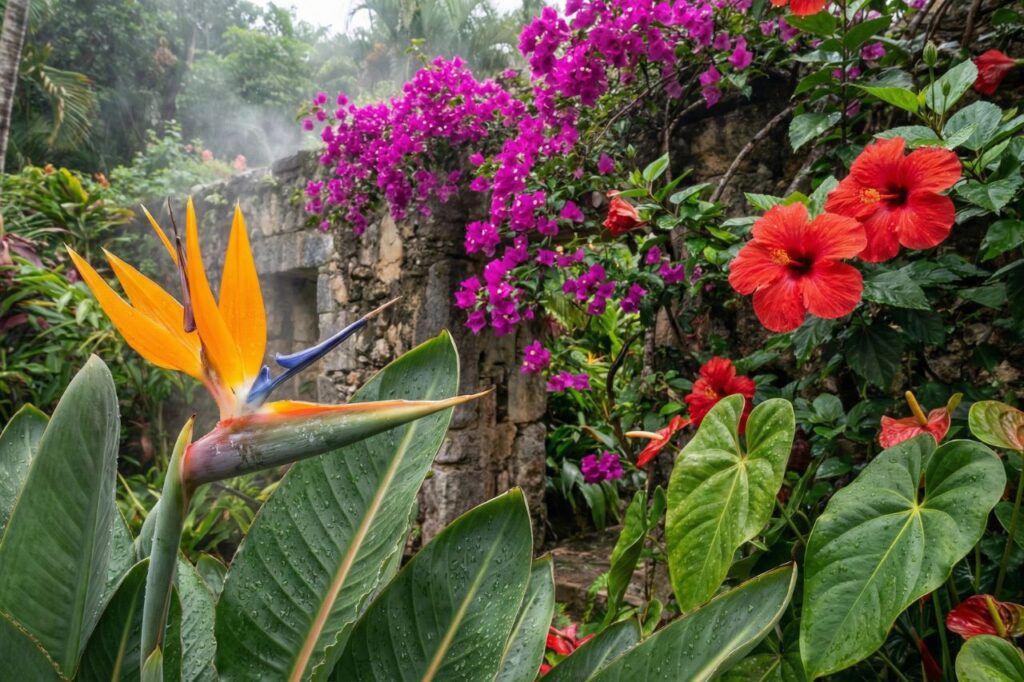
If you want drama, you want tropicals. These flowers don’t just bloom; they perform. Native to the warmer regions of the world (South America, Africa, Southeast Asia), these plants often feature bold colors, waxy textures, and intoxicating scents. Even if you live in a cold climate, many of these make spectacular houseplants.
26. Amaryllis (Hippeastrum)
The Amaryllis is the holiday miracle. While native to tropical South America, it is most famous as a winter indoor bulb that produces massive, trumpet-shaped blooms on tall, sturdy stalks. Available in red, white, pink, and salmon, they symbolize pride, determination, and radiant beauty. The name comes from the Greek word for “to sparkle.” A single bulb can produce multiple stalks with four or more flowers each, creating a bouquet in a pot.
Gardening Tip: Turn the pot regularly! The stalks grow very fast towards the light source. If you don’t rotate the pot every few days, the heavy flowers will lean and topple over. After blooming, keep watering the leaves to recharge the bulb for next year.
27. Anthurium (Flamingo Flower)
Is it plastic? No, it’s nature! The Anthurium is famous for its shiny, waxy heart-shaped “flower,” which is actually a modified leaf called a spathe. The true flowers are on the central spike (spadix). They are the world’s longest-blooming houseplant, with each bloom lasting up to eight weeks. They symbolize hospitality and happiness. Red is the classic color, but modern varieties come in purple, chocolate, and even black.
Gardening Tip: Anthuriums are epiphytes in the wild (growing on trees). They hate heavy soil. Use an orchid mix or chunky, well-draining soil. They crave high humidity, so mist them often or keep them in a bright bathroom. Wipe the leaves with a damp cloth to keep them breathing.
28. Bird of Paradise (Strelitzia)
The undisputed king of tropical design. The Bird of Paradise looks exactly like an exotic crane taking flight, with orange and blue petals bursting from a green beak-like bract. Native to South Africa, it symbolizes freedom, joy, and paradise. It is a slow grower, often taking 3-5 years to bloom for the first time, but the wait is worth it for the spectacular architectural structure it adds to a garden.
Gardening Tip: Crowded roots make for a happy bird. Unlike other plants that hate being pot-bound, Strelitzia blooms better when its roots are restricted. If you repot it into a huge container, it will spend energy filling the pot with roots instead of making flowers.
29. Bougainvillea
If you have ever visited the Mediterranean or California, you have seen walls draped in shocking pink, purple, or orange Bougainvillea. The colorful parts are actually papery bracts surrounding tiny white true flowers. They symbolize passion and welcome. Be warned: beneath those beautiful colors lie sharp, vicious thorns that make this plant an excellent security fence.
Gardening Tip: Bougainvillea thrives on neglect. If you water it too much or fertilize it with high nitrogen, you will get lots of green leaves and zero color. Let the soil dry out completely between waterings to “stress” the plant into blooming.
30. Bromeliad (Bromeliaceae)
Related to the pineapple, Bromeliads are exotic wonders with rosette foliage and a central flower spike that can last for months. They symbolize inspiration and protection. Most are epiphytes that absorb water through a central “tank” or cup in the center of their leaves rather than through their roots. They come in neon colors that look almost artificial in their intensity.
Gardening Tip: Water the cup, not the soil! Keep the central rosette filled with fresh water, flushing it out weekly to prevent stagnation and mosquitoes. Once the main plant flowers, it will slowly die, but not before producing “pups” (babies) at the base that you can replant.
31. Camellia
The Camellia is the “Rose of Winter.” Native to Eastern Asia, these evergreen shrubs produce perfect, symmetrical blooms when most other plants are dormant (late winter to early spring). They symbolize love, adoration, and longing. The most famous species is Camellia sinensis—the plant used to make tea! However, the ornamental varieties like Camellia japonica are grown for their breathtaking ruffled petals.
Gardening Tip: Camellias are sensitive to morning sun in winter. If frozen dew is hit by rapid morning sun, the buds can scorch and drop. Plant them in a spot with filtered shade or protection from the early morning light. Like azaleas, they strictly require acidic soil.
32. Canna Lily
Canna Lilies are not true lilies, but they are giants of the garden. Growing from rhizomes, they shoot up tall stalks (up to 8 feet!) with paddle-shaped leaves that can be green, bronze, or striped. The flowers bloom in hot shades of red, orange, and yellow. They symbolize confidence and glory. They are often used by city landscapers because they thrive in heat and exhaust fumes.
Gardening Tip: Cannas are thirsty and hungry. They are semi-aquatic in nature and can even be grown in the margins of a pond. If planting in soil, water them heavily. In cold climates, you must dig up the rhizomes after the first frost and store them indoors.
33. Clematis
Known as the “Queen of Climbers,” Clematis vines produce some of the most spectacular flowers in the vertical garden. From the massive dinner-plate blooms to delicate bell shapes, they come in every color except true orange. They symbolize mental beauty and ingenuity. They love to wrap their leaf stems around trellises, fences, and mailboxes.
Gardening Tip: The golden rule for Clematis is “Head in the sun, feet in the shade.” The vines love sunshine, but the roots hate hot soil. Plant them deep and cover the root zone with mulch, rocks, or other low-growing plants to keep the roots cool and moist.
34. Cyclamen
With their swept-back petals that look like butterflies in flight and heart-shaped patterned leaves, Cyclamen are winter jewels. They symbolize resignation and goodbye, but also deep affection. They go dormant in the summer heat (losing all their leaves) and wake up when the weather turns cool and wet.
Gardening Tip: Cyclamen are prone to rotting if water sits on the crown (the center of the tuber). Always water from the bottom (placing the pot in a saucer of water) or carefully around the edges. Do not bury the tuber completely; the top half should sit slightly above the soil line.
35. Freesia
If you see a florist bouquet, smell it. If it smells like peppery fruit and honey, it’s probably Freesia. Native to South Africa, these zygomorphic (one-sided) flowers grow along a horizontal spike. They symbolize trust, friendship, and innocence. They are a popular wedding flower because of their potent fragrance and long vase life.
Gardening Tip: Freesias grow from corms. Their stems are thin and often flop over under the weight of the flowers, so they usually require staking or a support grid. Plant them in succession (every two weeks) to extend the blooming season throughout the spring.
36. Fuchsia
Often called “Lady’s Eardrops,” Fuchsia flowers look like tiny, intricate ballerinas hanging from the stems. They usually feature two contrasting colors (like pink sepals and purple petals). They symbolize confiding love. They are the darlings of the hanging basket world because they cascade beautifully and prefer cooler, shady conditions.
Gardening Tip: Fuchsias are heavy feeders. Because they are usually grown in containers where nutrients leach out quickly, you need to fertilize them weekly with a diluted liquid fertilizer. They wilt dramatically on hot days but perk up quickly once the sun goes down and they get a drink.
37. Gardenia
The scent of a Gardenia is legendary—creamy, sweet, and heavy. These evergreen shrubs have glossy dark leaves and velvety white flowers that turn creamy yellow as they age. They symbolize secret love and purity. While breathtaking, they have a reputation for being high-maintenance divas that drop their buds if you look at them wrong.
Gardening Tip: Consistency is key. Gardenias hate fluctuations in temperature or moisture. They need cool nights and warm days. If growing indoors, keep them away from drafts (AC vents or doors). A lack of iron in the soil will turn their leaves yellow, so use an iron chelate supplement.
38. Gladiolus
The Gladiolus gets its name from the Latin gladius (sword), referring to its tall, blade-like leaves. These vertical spikes are covered in trumpet-shaped blooms and add incredible height to the back of a flower border. They symbolize strength of character, faithfulness, and integrity. They were the favorite flower of the 1950s but are back in style for their retro charm.
Gardening Tip: Gladioli grow from corms. Because they grow so tall and straight, they are prone to blowing over in the wind. Plant them deep (at least 6 inches) to help anchor the stems, or stake them. For a continuous supply of cut flowers, plant a new batch of corms every two weeks from spring to early summer.
39. Hibiscus
Nothing says “tropical vacation” like a Hibiscus. There are two main types: Tropical Hibiscus (glossy leaves, needs to be indoors in winter) and Hardy Hibiscus (can survive freezing winters). Both produce massive, trumpet-shaped blooms with a prominent central stamen. They symbolize delicate beauty and feminine energy. In Hawaii, wearing a hibiscus behind the left ear means you are taken; behind the right, you are single.
Gardening Tip: Hibiscus flowers typically last only one day, but the plant produces so many buds that it blooms constantly. Deadhead the old blooms daily to keep the plant looking tidy. They are thirsty plants—in the heat of summer, container hibiscus may need watering twice a day.
40. Jasmine (Jasminum)
Jasmine is the perfume of the night. Most varieties are vines that produce small, white, star-shaped flowers with an intensely sweet fragrance that intensifies after dark. They symbolize love, beauty, and sensuality. From tea flavoring to religious garlands, Jasmine is treasured globally.
Gardening Tip: Not all Jasmines are the same. “Star Jasmine” (Trachelospermum jasminoides) is a popular, tough landscaping plant but isn’t a true jasmine. True Pink Jasmine (Jasminum polyanthum) creates a spectacular cloud of scent indoors in winter. Prune vines heavily after flowering to keep them from becoming a tangled mess.
Wildflowers, Whimsy & Unique Shapes
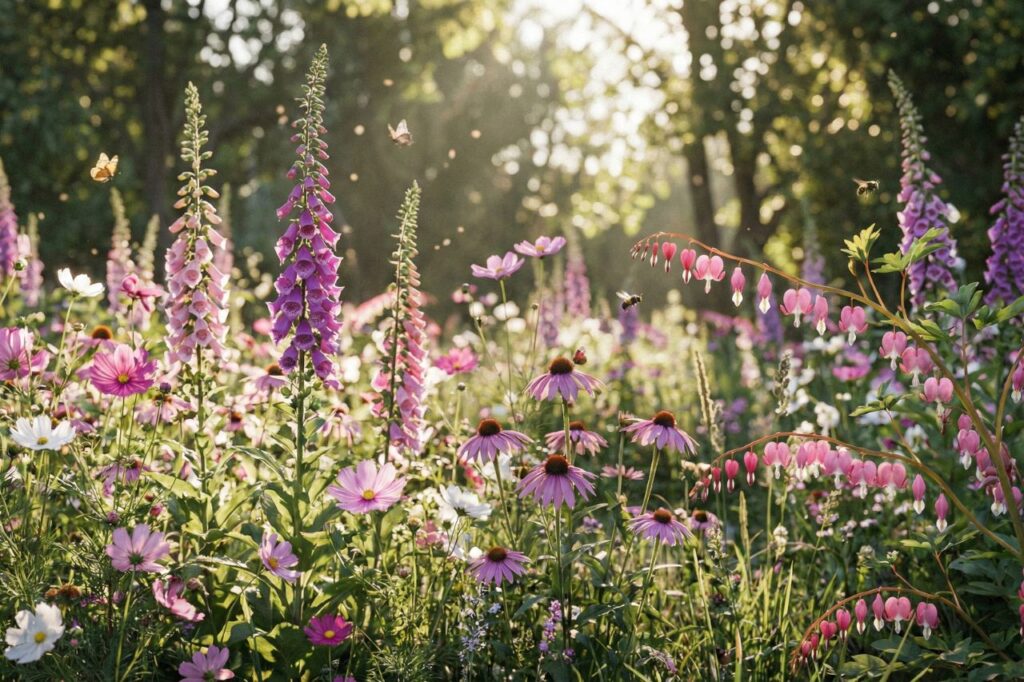
Nature has a sense of humor and a flair for the dramatic. This category celebrates the flowers that break the mold. Whether they look like bleeding hearts, towering spires, or delicate tissue paper, these blooms bring personality and a touch of the wild to any garden bed.
41. Aster (Asteraceae)
When the summer flowers are packing up, the Aster gets the party started. Named after the Greek word for “star,” these daisy-like perennials burst into bloom in late summer and autumn. They come in rich shades of purple, blue, pink, and white with cheerful yellow centers. They symbolize patience, love, and daintiness. They are a critical food source for migrating Monarch butterflies seeking nectar before winter.
Gardening Tip: Asters can get powdery mildew (a white dusty fungus) on their leaves if crowded. Plant them with plenty of space for airflow. Pinching back the stems in early summer will keep them bushy and prevent them from flopping over when they bloom.
42. Black-Eyed Susan (Rudbeckia)
The Black-Eyed Susan is the golden girl of the American wildflower meadow. With bright yellow-gold petals and a dark chocolate center cone, it looks like a sturdy, rugged daisy. It symbolizes encouragement and justice. It is incredibly tough, thriving in heat, drought, and poor soil, making it a favorite for “lazy” gardeners who want maximum color with minimum effort.
Gardening Tip: These plants are vigorous self-seeders. If you leave the seed heads on in winter, they will feed the birds (especially goldfinches) and sprout up everywhere next spring. If you want to control them, deadhead the spent blooms diligently.
43. Bleeding Heart (Lamprocapnos spectabilis)
Few flowers tell a story as clearly as the Bleeding Heart. The pink and white blooms hang from arching stems in a perfect heart shape, with a tiny drop of white “blood” dangling at the bottom. They symbolize passionate love and compassion. They are woodland plants that bloom in spring, adding a fairy-tale quality to shady corners.
Gardening Tip: This is an ephemeral plant. After it blooms in spring, the foliage will turn yellow and completely disappear by mid-summer as the plant goes dormant. Don’t panic—it’s not dead! Mark the spot so you don’t accidentally dig it up, and plant ferns or hostas nearby to fill the empty space.
44. Coneflower (Echinacea)
You might know this flower better as the immune-boosting herb Echinacea. The Purple Coneflower features drooping pinkish-purple petals around a spiky, coppery-orange center cone that looks like a beehive. They symbolize strength and health. They are magnets for bees and butterflies and add a beautiful prairie aesthetic to modern landscapes.
Gardening Tip: Coneflowers are tough, but they hate being moved because of their deep taproots. Pick a sunny spot and leave them there. They are drought-tolerant once established. Leave the dried cones standing in winter—they look structural in the snow and provide seeds for birds.
45. Cornflower (Centaurea cyanus)
Also known as “Bachelor’s Button,” the Cornflower is famous for its intense, electric blue color—one of the truest blues in nature. Historically, young men wore them in buttonholes to signal they were in love. They symbolize single blessedness and delicacy. The ruffled, thimble-sized blooms look stunning in wildflower mixes.
Gardening Tip: These are cool-weather annuals. Sow the seeds directly in the garden in early spring or even late autumn. They prefer poor soil without much fertilizer. If you feed them too much, you’ll get lots of leaves but very few blue flowers.
46. Cosmos (Cosmos bipinnatus)
If you want a flower that dances in the wind, plant Cosmos. With feathery, fern-like foliage and crepe-paper petals in shades of pink, white, and maroon, they look fragile but are surprisingly tough. They symbolize order, harmony, and peace. They are classic cottage garden flowers that bloom non-stop until the first frost.
Gardening Tip: Do not fertilize Cosmos! Rich soil makes them grow tall and weak with few flowers. They actually prefer “bad” soil. Scatter the seeds in a sunny spot and forget about them. The more you ignore them, the better they bloom.
47. Delphinium (Larkspur)
For vertical drama, nothing beats Delphinium. These towering spikes can grow up to 6 feet tall, covered in densely packed flowers in shades of blue, purple, and white. They symbolize big-heartedness, fun, and lightness. They are the backbone of the traditional English cottage border, providing a spectacular blue backdrop.
Gardening Tip: These giants have hollow stems and are prone to snapping in the wind. You must stake them early in the season. They are heavy feeders, so amend the soil with plenty of compost. Watch out for slugs—they love munching on young Delphinium shoots.
48. Foxglove (Digitalis)
With tall spires of tubular, speckled bells, Foxglove looks like it belongs in a magical forest. Folklore says the bells are gloves for foxes to wear to sneak up on prey (hence the name). They symbolize insincerity and stateliness. Warning: All parts of the plant are highly toxic if ingested, so admire them with your eyes, not your mouth.
Gardening Tip: Foxgloves are biennials. In year one, they grow a rosette of leaves; in year two, they bloom and die. However, they reseed so freely that you will likely always have blooms every year. They love partial shade and woodland edges.
49. Hellebore (Helleborus)
Also known as the “Lenten Rose,” Hellebores are the heroes of the winter garden. They bloom when snow is still on the ground, featuring nodding, cup-shaped flowers in moody shades of dusty pink, green, slate, and black. They symbolize serenity and protection against scandal. Their leathery, evergreen foliage looks good all year round.
Gardening Tip: These are long-lived perennials that hate being moved. Plant them in shade under deciduous trees. In late winter, just before the flower buds emerge, cut off the old, tattered leaves from the previous year to make the new blooms stand out.
50. Hollyhock (Alcea)
The ultimate “back of the border” plant. Hollyhocks can tower over garden fences, reaching heights of 8 feet. They produce large, hibiscus-like flowers all the way up the stalk. They symbolize ambition and fruitfulness. They are synonymous with cottage gardens, often planted to hide ugly walls or fences.
Gardening Tip: Hollyhocks are prone to “rust,” a fungal disease that creates orange spots on the lower leaves. To prevent this, ensure good airflow and water only at the base of the plant, never on the leaves. Many gardeners treat them as short-lived perennials, replanting every few years.
51. Impatiens
If you have a shady yard, Impatiens are your go-to for color. Known as “Busy Lizzies,” these bedding plants form mounds of bright red, pink, orange, or white blooms. They symbolize motherly love and impatience (because their seed pods explode when touched!). They are one of the few plants that provide vibrant color in deep shade.
Gardening Tip: Water is their love language. If they get too dry, they wilt dramatically (but usually bounce back). Downy mildew has been a problem for traditional Impatiens walleriana recently, so look for the disease-resistant “Beacon” series or New Guinea Impatiens.
52. Larkspur (Consolida)
Often confused with Delphinium, Larkspur is the annual cousin. It has a more delicate, airy appearance with finely cut foliage. It symbolizes an open heart and strong attachment. The spur on the back of the flower resembles a lark’s claw, giving it its name. It is a fantastic cut flower that dries beautifully.
Gardening Tip: Larkspur has a taproot and does not transplant well. Sow seeds directly outdoors in early spring while the soil is still cool. They need a chill period to germinate. Once the summer heat hits, they will fade, so pull them out to make room for heat-loving annuals.
53. Lisianthus (Eustoma)
The Lisianthus is often mistaken for a rose or a peony because of its layered, ruffled petals. It symbolizes appreciation and charisma. It is a florist favorite because it can last two weeks or more in a vase. Native to the American prairies (where it is called Prairie Gentian), it has been bred into elegant purple, pink, and champagne colors.
Gardening Tip: This is a challenging plant to grow from seed (it takes months!). It is best to buy seedlings. They hate acidic soil, so if your pH is low, add lime. They need support or staking because the heavy flower heads can weigh down the slender stems.
54. Morning Glory (Ipomoea)
A fast-growing vine that lives for the sun. Morning Glory flowers unfurl into perfect trumpets in the morning light and curl up tight by the afternoon. They symbolize unrequited love and the fleeting nature of life. A single vine can cover a trellis or fence in a matter of weeks, creating a wall of heart-shaped leaves and jewel-toned blooms.
Gardening Tip: The seeds have a hard shell. To speed up germination, nick the seed coat with a file or soak them in warm water overnight before planting. Be careful where you plant them; they reseed aggressively and can become invasive in some warm climates.
55. Nasturtium (Tropaeolum)
The Nasturtium is the multitasker of the garden. It has cheerful, lily-pad-like leaves and bright orange, red, or yellow flowers. Best of all, the entire plant is edible! The flowers have a sweet-spicy peppery flavor, perfect for salads. They symbolize patriotism and victory.
Gardening Tip: Like Cosmos, Nasturtiums bloom best in poor soil. They are excellent companion plants for vegetable gardens because they act as “trap crops,” luring aphids away from your precious beans and cabbages.
The Hidden Gems (Bulbs & Fragrant Blooms)
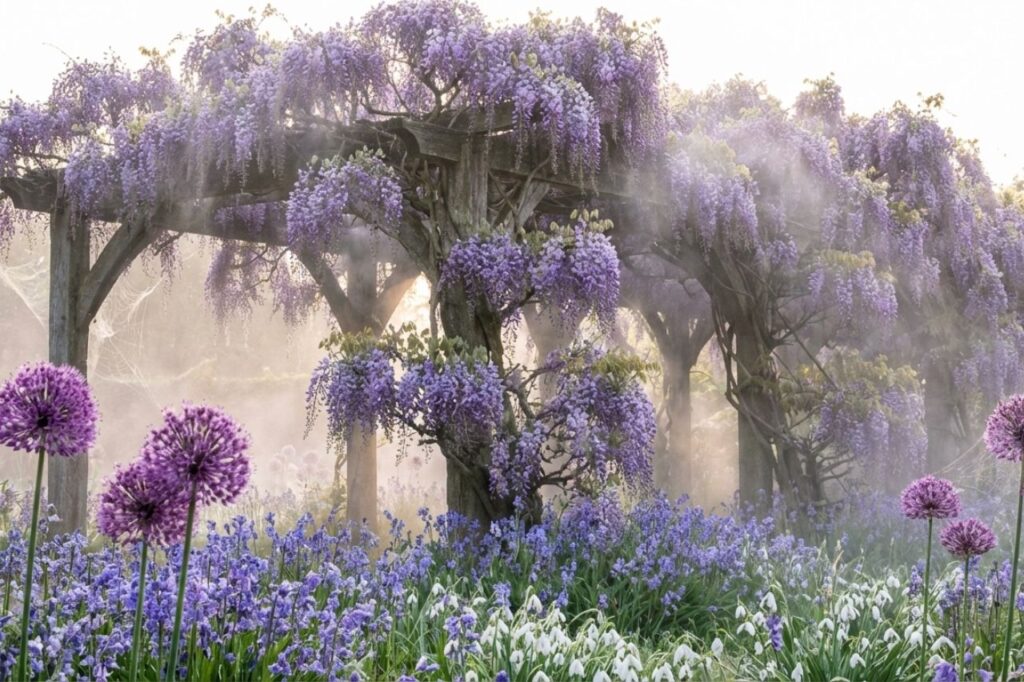
Some flowers work hard for our visual attention, but others appeal to a different sense: smell. This category includes the sleeping beauties (bulbs) that surprise us in spring, and the aromatic wonders that perfume the air. From the spicy clove scent of Stock to the honey-sweet Alyssum, these plants create a sensory experience.
56. Allium (Ornamental Onion)
They look like something out of a Dr. Seuss book. Alliums produce perfectly round, purple (or white) globes on tall, leafless stalks. They add an incredible architectural element to flower beds. They symbolize patience and unity. Being part of the onion family, they are naturally deer and rodent resistant—pests hate the smell, but humans usually can’t smell it unless the leaves are crushed.
Gardening Tip: Plant the bulbs in autumn. Their only downside is that the foliage tends to turn yellow and die back before the flower has even finished blooming. To hide the messy leaves, plant Alliums in the middle of a border, surrounded by lower-growing perennials like Lady’s Mantle or Hostas.
57. Anemone (Anemone coronaria)
Specifically the “Poppy Anemone,” this flower is a favorite of modern brides. It features paper-thin petals in white, red, or blue, contrasting sharply with a dramatic, midnight-black center. They symbolize anticipation and protection against evil. In Greek mythology, they sprang from the tears of Aphrodite as she mourned Adonis. They have a sophisticated, graphic look that stands out in bouquets.
Gardening Tip: Anemones grow from weird, lumpy corms that look like dried shriveled acorns. Before planting, you must soak them in lukewarm water for a few hours to “wake them up.” They prefer cool spring weather and will go dormant once the summer heat sets in.
58. Bluebell (Hyacinthoides non-scripta)
If you have ever seen a “blue forest” in England, you have seen English Bluebells. These woodland bulbs create carpets of intense violet-blue flowers that nod on one side of the stem, giving them a drooping, humble appearance. They symbolize humility and gratitude. Folklore says that if you turn a bluebell flower inside out without tearing it, you will win the one you love.
Gardening Tip: Be careful not to confuse the native English Bluebell with the invasive Spanish Bluebell. The English variety is fragrant and delicate; the Spanish one is unscented and aggressive. They thrive in dappled shade under deciduous trees, naturalizing slowly over the years to form a colony.
59. Calla Lily (Zantedeschia)
Sleek, modern, and sculptural. The Calla Lily is technically not a lily (it’s an Aroid). It features a single, trumpet-shaped spathe wrapped around a central spadix. White Callas symbolize purity and resurrection, often used in both weddings and funerals. Colored varieties like deep purple or burnt orange are popular in contemporary gardens.
Gardening Tip: These grow from rhizomes. In warm climates (zones 8-10), they can stay in the ground year-round. In cooler areas, treat them like Dahlias: dig them up after the first frost and store them in dry peat moss. They love moisture and can even grow partially submerged at the edge of a water garden.
60. Crocus
The Crocus is often the very first sign of life after winter, sometimes pushing its cup-shaped head right through the snow. They symbolize cheerfulness and youth. The most valuable spice in the world, Saffron, comes from the stigmas of the Saffron Crocus (Crocus sativus), which blooms in autumn. The spring varieties come in purple, yellow, and white.
Gardening Tip: For a magical effect, plant Crocus bulbs directly into your lawn. They will bloom and finish before the grass needs its first mow of the season. Just be warned: squirrels love to dig them up for a snack. You might need to cover the planting area with chicken wire buried just under the soil surface.
61. Grape Hyacinth (Muscari)
These tiny bulbs produce spikes of tightly packed, bead-like flowers that look like a cluster of grapes. Grape Hyacinths are famous for their intense cobalt-blue color. They symbolize power and confidence. They are incredibly hardy and spread rapidly, often creating a “river” of blue in the garden.
Gardening Tip: Muscari are one of the easiest bulbs to grow—almost too easy. They multiply quickly and can become invasive in loose soil. Plant them where you want a dense ground cover, or keep them contained in pots. They smell faintly of grape juice, which children love.
62. Magnolia
The Magnolia is a prehistoric beauty. Fossils show that these plants existed 20 million years ago, before bees existed (they evolved to be pollinated by beetles!). They symbolize nobility, perseverance, and dignity. Whether it is the evergreen Southern Magnolia with its massive white blooms or the deciduous Saucer Magnolia with its pink tulip-like flowers on bare branches, they are showstoppers.
Gardening Tip: Magnolias have fleshy, rope-like roots that are easily damaged. Avoid digging or planting other flowers under the canopy of a Magnolia tree. They hate being moved, so pick the perfect spot—usually one protected from strong winds that can shred the large petals.
63. Moonflower (Ipomoea alba)
As the name suggests, the Moonflower is a creature of the night. A relative of the Morning Glory, this vine keeps its blooms tightly shut during the day and unfurls large, fragrant white trumpets at dusk. They symbolize dreaming of love. Watching them pop open in real-time (it takes about 2-3 minutes) is a magical evening ritual.
Gardening Tip: To get the most out of them, plant them near a patio or bedroom window where you can enjoy their evening perfume. They are annuals in most climates but grow vigorously, often reaching 10-15 feet in a single summer. The seeds are hard, so soak them overnight before planting.
64. Nicotiana (Flowering Tobacco)
Don’t smoke it, smell it! Nicotiana is grown for its jasmine-like scent that is strongest in the evening. The tubular flowers attract hummingbird moths and other night pollinators. They symbolize mysterious love. Varieties range from tall, white Nicotiana sylvestris to shorter, colorful bedding types.
Gardening Tip: The old-fashioned white varieties are usually the most fragrant. Modern colorful hybrids (red, lime green) often have had the scent bred out of them, so check the label if fragrance is your goal. They are sticky to the touch and belong to the Nightshade family.
65. Snowdrop (Galanthus)
The Snowdrop is nature’s bravest soldier. These tiny, drooping white bell flowers often emerge in January or February, unfazed by frost or snow. They symbolize hope, purity, and consolation. They contain a natural antifreeze protein that prevents ice crystals from forming inside their cells.
Gardening Tip: Unlike most bulbs that are sold dry, Snowdrops establish best when planted “in the green” (dug up and replanted while they still have leaves in late spring). If you plant dry bulbs in autumn, they often fail to grow. They look best naturalized in drifts under deciduous trees.
66. Stock (Matthiola incana)
If you love a spicy scent, you need Stock. These spikes of ruffled flowers smell like cloves and cinnamon. They symbolize lasting beauty and a happy life. They are a favorite in cottage gardens and make excellent cut flowers because of their stiff, woody stems.
Gardening Tip: Stock loves cool weather. Heat causes them to stop blooming. In warm climates, grow them as winter annuals. In cooler zones, plant them in early spring. Look for “double” flowering varieties, as they are showier than the singles.
67. Sweet Alyssum (Lobularia maritima)
This low-growing ground cover smells exactly like honey. Sweet Alyssum produces mounds of tiny white, purple, or pink flowers. It symbolizes beauty beyond worth. It is incredibly useful in the garden because it attracts beneficial insects like hoverflies, which eat aphids.
Gardening Tip: It is the perfect “shoes” for taller plants. Sow seeds at the base of roses or in vegetable beds. If the plant gets leggy or stops blooming in the summer heat, shear it back by half with scissors, water it, and it will bloom again in the fall.
68. Sweet Pea (Lathyrus odoratus)
Nostalgic and romantic, the Sweet Pea is a climbing vine famous for its ruffled blooms and intense, candy-like fragrance. They symbolize blissful pleasure and goodbye. Warning: Unlike the garden peas you eat, Sweet Pea seeds are toxic. Do not consume any part of this plant.
Gardening Tip: Sweet Peas are hungry and thirsty. They need rich soil and constant moisture. They also crave cool weather. In the South, plant them in late fall. In the North, plant them as soon as the ground thaws. The more flowers you cut for bouquets, the more the vine will produce.
69. Tuberose (Polianthes tuberosa)
The scent of Tuberose is so potent and seductive that in Victorian times, young girls were forbidden from smelling it, lest they have a spontaneous orgasm! (Or so the legend goes). It symbolizes dangerous pleasure. The waxy white flowers bloom on tall spikes and are a staple in perfumes.
Gardening Tip: Tuberose is a tropical bulb (Mexican native). It needs a long, hot growing season (at least 4 months) to bloom. Plant the bulbs shallowly in full sun. In cold climates, grow them in pots so you can bring them inside to finish blooming if the frost comes early.
70. Wisteria
Few sights are as breathtaking as a Wisteria vine dripping with long racemes of lavender or white flowers. It symbolizes long life and immortality. Walking under a Wisteria pergola in full bloom is like entering a fairy tale. However, it is a powerful, aggressive vine that can tear down gutters if not managed.
Gardening Tip: The biggest complaint with Wisteria is “It won’t bloom!” This is usually due to too much nitrogen fertilizer (which promotes leaves) or lack of pruning. You must prune Wisteria twice a year (summer and winter) to keep it in check and encourage flower buds. Buy a grafted plant rather than growing from seed, or you might wait 15 years for flowers.
Edible, Herbal & The Perfect Fillers
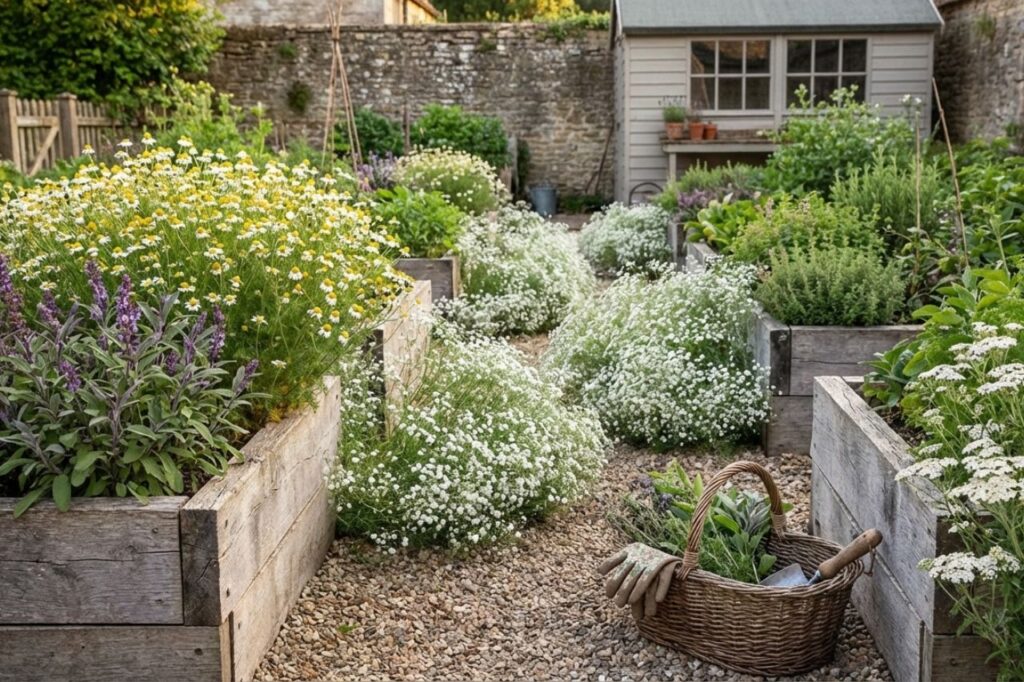
A garden should feed your soul, but it can also feed your body and heal your ailments. This category highlights the hardworking blooms—the herbs that taste as good as they look, and the “filler” flowers that florists couldn’t live without. These are the unsung heroes that add texture, flavor, and fullness to your life.
71. Baby’s Breath (Gypsophila)
For decades, Baby’s Breath was just the background noise in a dozen red roses. But recently, it has become a star in its own right, forming massive “clouds” of white at modern weddings. It symbolizes everlasting love and innocence. Its airy, branching stems are covered in thousands of tiny white or pink blooms that look like floating mist.
Gardening Tip: This plant loves alkaline soil (high pH). If you have acidic soil, add garden lime. It thrives in full sun and well-drained soil. It is a short-lived perennial, often fading after a few years, so replant seeds regularly to keep the “cloud” thick.
72. Borage (Borago officinalis)
Also known as “Starflower,” Borage is a must-have for any edible landscape. It produces intense, neon-blue star-shaped flowers that hang downward. They symbolize courage. In medieval times, knights would drink borage-infused wine before battle. The best part? The flowers and leaves taste exactly like fresh cucumber!
Gardening Tip: Borage is the ultimate companion plant. It attracts bees like a magnet and is said to improve the flavor of strawberries and tomatoes planted nearby. It reseeds aggressively—plant it once, and you will likely have Borage forever (whether you want it or not!).
73. Calendula (Pot Marigold)
Not to be confused with the common French Marigold (Tagetes), Calendula is the “healing flower.” Its bright orange and yellow petals are rich in antioxidants and skin-soothing compounds, often used in balms and salves. It symbolizes joy and grace. The petals are edible and can be used as “poor man’s saffron” to color rice and soups.
Gardening Tip: Calendula loves cool weather. It will stop blooming in the scorching heat of July but often returns in the fall. It is “sticky” to the touch due to its resinous sap—that’s where the healing medicine lives!
74. Chamomile (Matricaria)
The scent of Chamomile is the scent of relaxation. With tiny daisy-like flowers featuring white petals and a conical yellow center, it looks humble but packs a punch. It symbolizes patience in adversity. German Chamomile is the annual variety used for tea, while Roman Chamomile is a low-growing perennial often used as a lawn substitute.
Gardening Tip: Chamomile is known as the “Physician of Plants.” It is believed to heal sick plants growing nearby. Harvest the flowers in the morning after the dew has dried but before the sun gets too hot for the most potent essential oils.
75. Chive Blossom (Allium schoenoprasum)
Most people grow chives for the oniony green stems, but the purple pom-pom flowers are the real showstopper. Chive Blossoms appear in late spring and are fully edible with a sharp, spicy onion flavor. They symbolize usefulness. They attract beneficial insects and repel bad ones like aphids and Japanese beetles.
Gardening Tip: After the flowers bloom, the plant can look a bit ragged. Don’t be afraid to chop the entire clump down to 2 inches tall. It will regrow fresh, tender green shoots within weeks. Use the purple flowers to make a stunning pink-colored chive vinegar.
76. Dandelion (Taraxacum)
Before you spray it, respect it! The Dandelion is a master of survival. Every part of this plant is edible: the roots (roasted for coffee substitute), the leaves (salad greens), and the yellow flowers (fritters or wine). It symbolizes resilience and the sun. To a child, the fluffy seed head is a magical wish-granter; to a gardener, it’s a deep-rooted aerator.
Gardening Tip: If you want to eat them, harvest the leaves in early spring before the flower appears; otherwise, they become very bitter. Never eat dandelions from a lawn that has been treated with chemical herbicides or fertilizers.
77. Goldenrod (Solidago)
Poor Goldenrod. It is constantly blamed for hay fever, but the real culprit is Ragweed, which blooms at the same time. Goldenrod pollen is too heavy to float in the air (it is carried by insects), so it is rarely an allergen. Its bright yellow plumes symbolize encouragement and good fortune. It creates a spectacular late-summer show.
Gardening Tip: Native varieties can be aggressive spreaders. Look for clump-forming cultivars like ‘Fireworks’ that stay tidy. They are essential for pollinators, providing late-season nectar for bees preparing for winter.
78. Heather (Calluna vulgaris)
The rolling hills of Scotland are purple for a reason: Heather. This low-growing, woody shrub produces spikes of tiny bell-shaped flowers in shades of mauve, pink, and white. It symbolizes good luck and admiration. White heather is considered exceptionally lucky—Queen Victoria popularized the tradition of Scottish brides carrying a sprig.
Gardening Tip: Heather is an acid-loving plant, similar to Azaleas. It needs peaty, well-drained soil. It hates lime. Prune it annually in early spring to keep the plant bushy; otherwise, the center will become bare and woody.
79. Hyssop (Hyssopus officinalis)
An ancient holy herb, Hyssop has been used for cleansing and purification rituals for thousands of years. It produces spikes of deep blue, purple, or pink flowers that bees go absolutely crazy for. It symbolizes cleanliness and sacrifice. The leaves have a strong, minty-licorice flavor used in soups and liqueurs.
Gardening Tip: This is a tough, drought-tolerant Mediterranean plant. It thrives in poor, rocky soil and full sun. If you have a vegetable garden, plant Hyssop nearby—it lures cabbage moths away from your brassicas (cabbage/kale).
80. Lady’s Mantle (Alchemilla mollis)
Lady’s Mantle is the ultimate filler plant for shade gardens. It features scalloped, pleated leaves and sprays of chartreuse-yellow flowers. It symbolizes protection. Its most magical trait is how its leaves catch water droplets; in alchemy, this water was believed to be the purest form of celestial water.
Gardening Tip: This plant is nearly indestructible. It grows in sun or shade. After it blooms in early summer, the foliage can look tired. Shear the whole plant back to the ground, and it will flush out with fresh new leaves for the rest of the season.
81. Queen Anne’s Lace (Daucus carota)
Also known as “Wild Carrot,” Queen Anne’s Lace is a wildflower with flat, lacy white heads. Legend says Queen Anne pricked her finger while making lace, and a single drop of blood fell in the center—which is why many flowers have a tiny dark purple dot in the middle. It symbolizes sanctuary.
Gardening Tip: Be careful! It looks very similar to Giant Hogweed and Poison Hemlock, which are deadly. The trick to identify Queen Anne’s Lace is the “hairy legs” (hairy stems). If the stem is smooth and purple-spotted, stay away! It is a biennial that reseeds freely.
82. Saffron Crocus (Crocus sativus)
While spring crocuses are for show, the autumn-blooming Saffron Crocus is for flavor. Inside its purple petals are three bright red stigmas—the spice Saffron. It symbolizes wealth and joy. It takes about 150 flowers to make just one gram of saffron, making it the world’s most expensive spice.
Gardening Tip: Plant the bulbs in late summer for an autumn harvest. They need hot, dry summers and well-drained soil. If the soil is wet in summer, the bulbs will rot. Harvest the red threads in the morning as soon as the flower opens.
83. Sage (Salvia)
Sage is a massive family that includes the culinary herb (Salvia officinalis) and ornamental flowers like Salvia splendens. All of them symbolize wisdom and immortality. The flowers are tubular, often blue, red, or purple, and are specially designed for pollinators.
Gardening Tip: Sage hates wet winter soil. If you are growing culinary sage, replace the woody plants every 4-5 years as the flavor becomes less potent with age. Ornamental Salvias are deadheading champions—the more you cut, the more they bloom.
84. Statice (Limonium)
If you want a flower that lasts forever, choose Statice. Known as “Sea Lavender,” its colorful bracts feel papery and dry even when the plant is alive. They symbolize remembrance and sympathy. They come in purple, yellow, and pink, and are a staple in dried flower arrangements.
Gardening Tip: These plants are native to coastal salt marshes, so they are incredibly salt-tolerant—perfect for seaside gardens. They need full sun and sandy soil. To dry them, cut the stems when the flowers are fully open and hang them upside down in a dark, dry place.
85. Yarrow (Achillea millefolium)
Named after the Greek hero Achilles, who reportedly used it to stanch the bleeding of his soldiers’ wounds, Yarrow symbolizes healing and protection. It has fern-like, feathery foliage and flat-topped clusters of tiny flowers in yellow, red, pink, or white. It is a pollinator powerhouse.
Gardening Tip: Yarrow is a rapid spreader via underground rhizomes. It can take over a flower bed if you aren’t careful. Use the ‘Achillea’ cultivars (like ‘Moonshine’) which are better behaved than the wild white variety. It is extremely drought resistant.
Rare, Unique & The Grand Finale
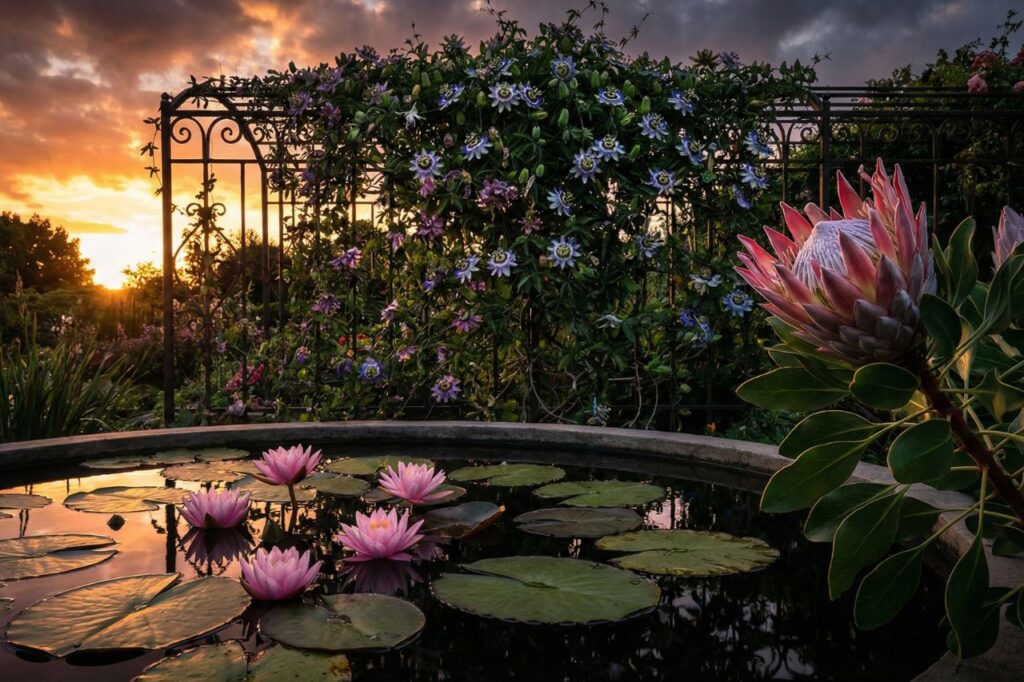
We have reached the final stretch. This collection features botanical oddities, ancient survivors, and the final essential blooms to complete your garden encyclopaedia. From the “Alien” shapes of the Passion Flower to the aquatic serenity of the Water Lily, these plants prove that nature saved some of her best designs for last.
86. Passion Flower (Passiflora)
Few flowers are as visually complex as the Passion Flower. With its intricate filaments, central column, and vibrant purple/blue colors, it looks like a biological machine. Spanish missionaries named it because the parts of the flower supposedly represented the Passion of Christ (the crown of thorns, the nails, and the apostles). It symbolizes faith and holy love.
Gardening Tip: Most Passion Flowers are vigorous vines that need a strong trellis. They are host plants for the Gulf Fritillary butterfly; don’t be alarmed if you see spiky orange caterpillars munching on the leaves—they are future butterflies!
87. Protea
The Protea looks prehistoric because it is. One of the oldest flowering families on Earth (300 million years old), these South African natives look like artichokes made of leather and velvet. They symbolize change and transformation. The King Protea (Protea cynaroides) has the largest flower head, reaching up to 12 inches across.
Gardening Tip: Proteas are extremely fussy about soil. They need poor, acidic, sandy soil with excellent drainage. Never give them phosphate fertilizer (standard garden feed), as it will kill them instantly. They are adapted to nutrient-poor soils.
88. Scabiosa (Pincushion Flower)
Don’t let the unappealing name scare you away. Scabiosa, or “Pincushion Flower,” produces delightful, honey-scented blooms that look exactly like a sewing pincushion stuck with needles (stamens). They symbolize unfortunate love. They are a favorite in cottage gardens because they bloom tirelessly from spring until frost.
Gardening Tip: These flowers are rich in nectar and attract butterflies in droves. They prefer alkaline soil. If you keep deadheading the spent flowers, the plant will reward you with continuous color all season long.
89. Sea Holly (Eryngium)
If you hate “pretty” flowers and want something edgy, plant Sea Holly. With its metallic blue stems, spiky collars, and thistle-like cones, it looks like a sculpture made of steel. It symbolizes independence and austerity. Despite its prickly appearance, it is soft enough to touch carefully.
Gardening Tip: As the name suggests, this plant loves coastal conditions: sandy soil, salt spray, and full sun. It has a long taproot, so plant it while it is young and don’t try to move it later. It is exceptionally drought-tolerant.
90. Red Spider Lily (Lycoris radiata)
Beautiful but spooky, the Red Spider Lily blooms in late summer on bare stalks—the leaves only appear after the flowers die. This separation leads to its legend: the leaves and flowers never meet. In Japan, it is associated with the afterlife and often planted near graveyards. It symbolizes final goodbyes and abandonment.
Gardening Tip: These bulbs hate being disturbed. Plant them shallowly (with the neck exposed) in a spot where they can naturalize. They are poisonous to rodents, making them a great barrier plant to protect other bulbs.
91. Snow-in-Summer (Cerastium tomentosum)
When this plant blooms, it looks like a blizzard hit your garden in June. Snow-in-Summer is a low-growing ground cover with silver-grey foliage and masses of star-shaped white flowers. It symbolizes happiness. It is perfect for cascading over rock walls or filling gaps between stepping stones.
Gardening Tip: This plant spreads rapidly and can become invasive if let loose in a rich flower bed. It is best used in difficult, dry areas where nothing else grows. Shear it back hard after flowering to keep the silver carpet tidy.
92. Sweet William (Dianthus barbatus)
A cousin of the Carnation, Sweet William produces dense clusters of bi-colored flowers with serrated edges. It symbolizes gallantry and finesse. It gained modern fame when it was included in Kate Middleton’s wedding bouquet as a tribute to Prince William. It has a lovely spicy clove scent.
Gardening Tip: Sweet William is usually a biennial or short-lived perennial. It self-seeds readily, so if you let the flowers go to seed, you will have a permanent patch of them in your garden forever.
93. Trillium
The jewel of the North American woodlands. Trillium is easy to identify: three leaves, three sepals, and three petals. Because of this triad, it symbolizes the Holy Trinity in Christian lore, or simply modesty and purity.
Gardening Tip: Never pick a Trillium from the wild. In many places, it is illegal/protected, and picking the flower can kill the plant (it needs the green leaves to recharge the rhizome). Buy only nursery-propagated plants and place them in deep, humus-rich shade.
94. Verbena
Verbena was once considered a holy herb by the Romans and Druids, used to sanitize altars. Today, we value it for its ability to withstand blistering heat. It produces clusters of small flowers in purple, pink, red, and white. It symbolizes enchantment and healing.
Gardening Tip: Verbena bonariensis is a popular variety that grows tall and airy on thin stems, looking like purple clouds floating in the border. It allows you to see other plants through it, adding depth without blocking the view.
95. Veronica (Speedwell)
If you need vertical spikes of color, Veronica is a dependable choice. It produces tall candles of blue, pink, or white flowers. It symbolizes fidelity (the name is linked to Saint Veronica). It is a magnet for bees and adds a “wildflower meadow” look to formal borders.
Gardening Tip: Speedwell hates wet feet in winter but needs consistent moisture in summer. If the foliage gets mildewy, cut the plant back to the ground; fresh, healthy leaves will regrow quickly.
96. Violet (Viola)
Modest and sweet, the Violet hides its purple (or white) flowers under heart-shaped leaves. It symbolizes modesty and faithfulness. It is the birth flower of February. Napoleon Bonaparte was famous for loving violets, using them as his secret political emblem.
Gardening Tip: Violets can be aggressive lawn weeds or cherished ground covers, depending on your perspective. The wild Sweet Violet (Viola odorata) is fragrant and edible—perfect for candying or garnishing desserts.
97. Water Lily (Nymphaea)
The queen of the pond. Unlike the Lotus (which holds its flower high above the water), the Water Lily floats its leaves and flowers directly on the surface. It symbolizes enlightenment and rebirth. The painter Claude Monet immortalized them in his masterpieces.
Gardening Tip: You don’t need a lake; you can grow dwarf water lilies in a large tub or barrel on a patio. They need still water (no fountains splashing them) and full sun to open their blooms.
98. Waxflower (Chamelaucium)
Native to Australia, the Waxflower looks exactly like it sounds: waxy, shiny, and perfect. The shrub is covered in masses of tiny pink or white flowers. It symbolizes lasting success and patience. It is a staple filler in florist bouquets because the cut stems can last for up to three weeks.
Gardening Tip: This is a desert plant. It needs sandy, fast-draining soil and very little water once established. It is perfect for Xeriscaping but will rot instantly in heavy clay.
99. Winter Aconite (Eranthis hyemalis)
Before the Crocus, there is the Winter Aconite. These cheery yellow buttercup-like flowers sit on a ruff of green leaves, looking like a collar. They often bloom through the snow in late winter. They symbolize warmth and hope.
Gardening Tip: They grow from tubers that look like dry raisins. Soak them overnight before planting. They love the soil under deciduous trees—blooming in the sun before the leaves appear, then resting in the shade during summer.
100. Zinnia
We end with the easiest flower of all. Zinnias are the definition of “plant it and forget it.” They come in every color except blue. They symbolize thoughts of absent friends. In the Victorian era, they meant “I mourn your absence.” Today, they are celebrated for their ability to withstand heat and attract butterflies.
Gardening Tip: Zinnias hate being transplanted. Sow the seeds directly in the garden soil after the last frost. Pinch the top of the young plant when it is 6 inches tall to encourage branching and more flowers. The more you cut them for bouquets, the more they bloom!
Final Thoughts on the 100 Blooms
We have traveled from the classic Rose to the humble Zinnia. We have explored flowers that heal, flowers that pop, and flowers that float.
As Shiny Aura, my hope is that this list isn’t just a directory—it’s an invitation. Pick one flower you have never grown before. Learn its story. Plant it in your soil. Watch it grow. Because a garden is never truly finished; it is just waiting for the next bloom.